Contact us

086-18506839898
Chuangjuman Transmission System (Hangzhou) Co., Ltd
Tel : 086-0571-86161808
Fax : 086-0571-86161758
Contact : Mr. Shi
E-mail : zhilishi@hzcjm.com
Add : No. 76, Xingqiao North Road, Xingqiao Subdistrict, Linping District, Hangzhou City
Web : http://www.hzcjm.com
-
-
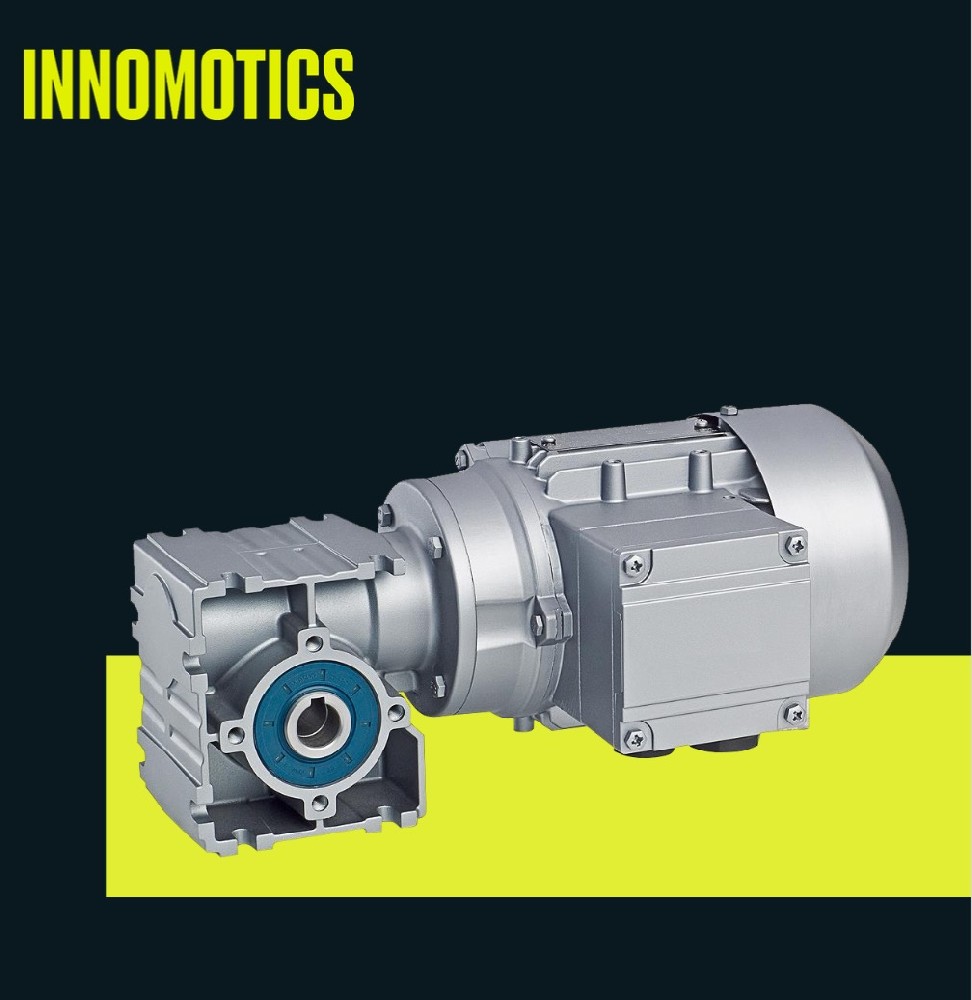
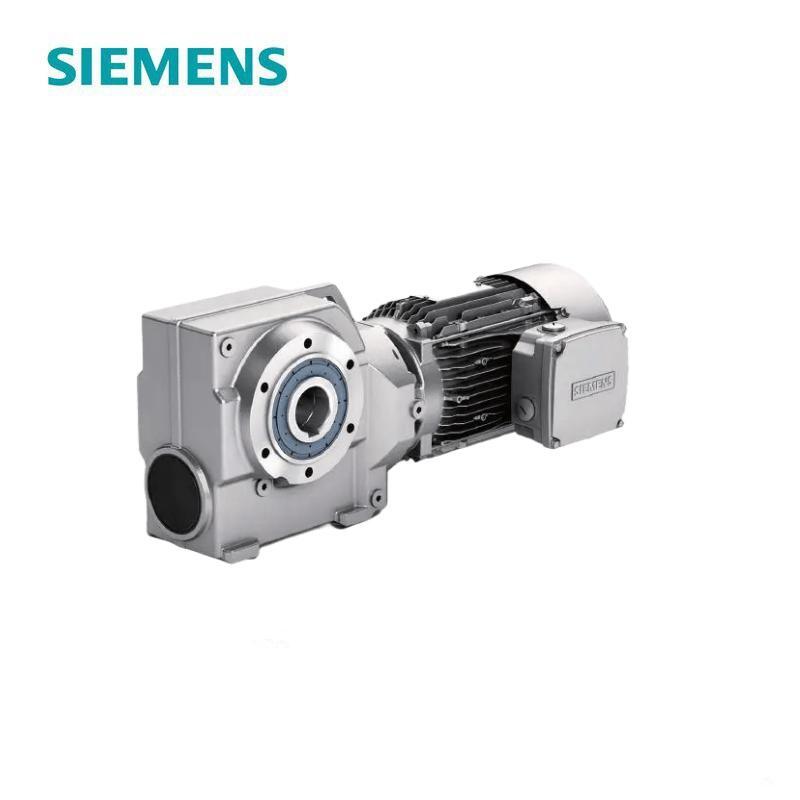
C-series worm gear reducer
SIMOGEAR helical gear worm gear reduction motors offer the following types that can be installed in any position:■ Level 2■ Shaft mounted type with to···Hotline:086-18506839898 - Mr. Shi
Introduction
SIMOGEAR helical gear worm gear reduction motors offer the following types that can be installed in any position:
■ Level 2
■ Shaft mounted type with torque arm
■ Flange installation type
Integrated box flange installation type
■ Foot installation type
Hollow shaft design with guide key, spline shaft or shrink disc
Solid shaft with directional keys (located at one or both ends)
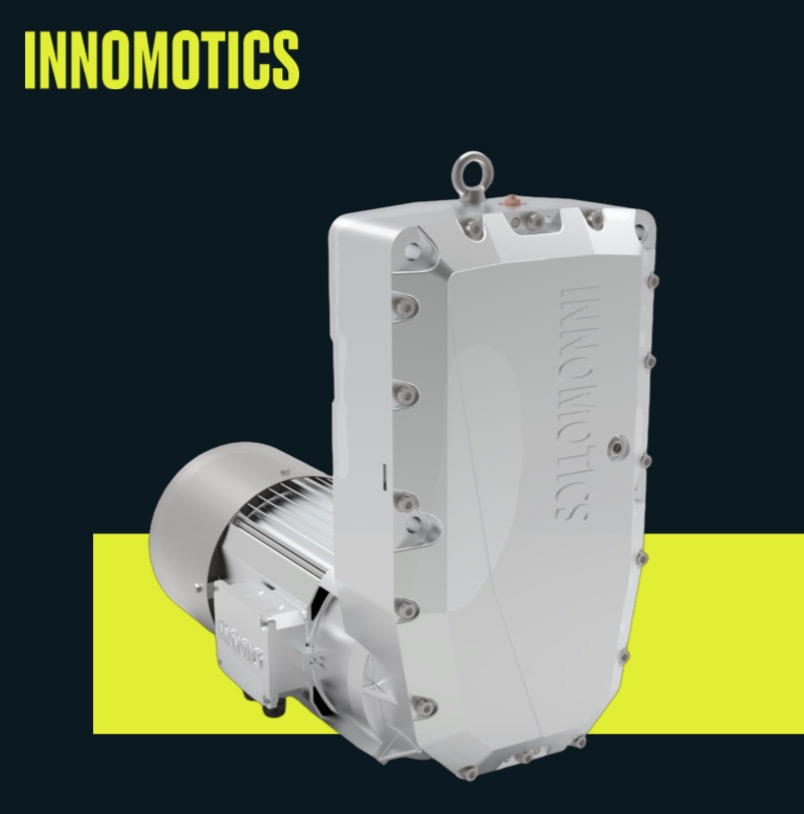
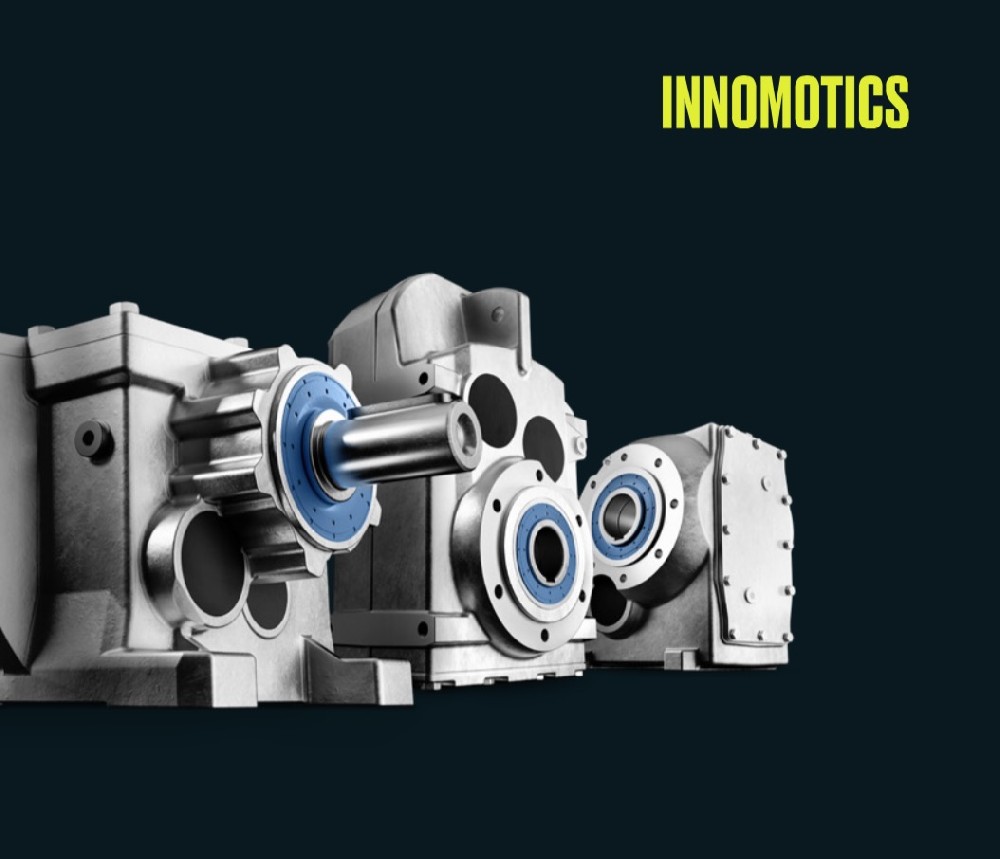
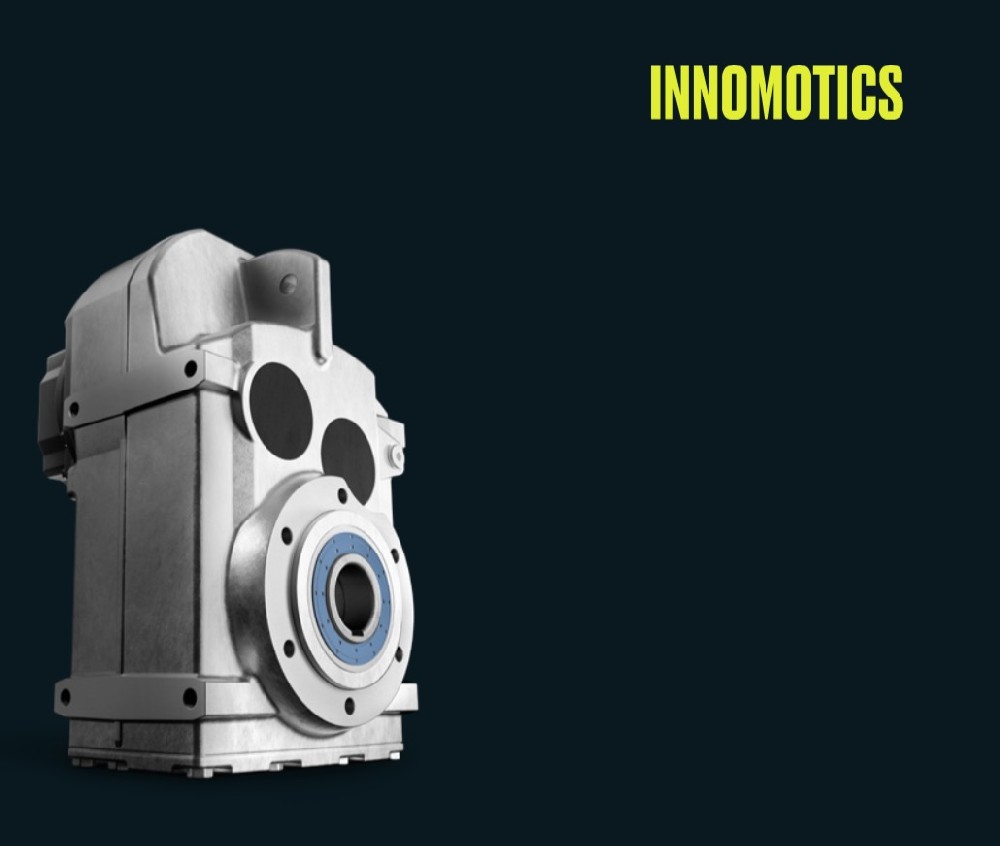
Siemens' new series SIMOGEAR reduction motors stand out for their excellent technical performance and power density, with higher input speeds and more precise speed levels. The finite element partitioning method is used to optimize the box design. Less is more, more outstanding. By using SIMOGEAR reduction motors, a high degree of structural compactness can be achieved, making it suitable for applications with limited space. The SIMOGEAR reduction motor has a shorter length, lighter weight, requires less installation space, and is easier and more convenient to install. FLENDER SIMOGEAR reduction motor is a modular combination, mainly consisting of four types: coaxial, parallel axis, helical worm gear, and bevel gear motor. The maximum rated torque is 20000Nm. Directly connected motors can be equipped with various options such as brakes, encoders, and strong cooling fans. The box body is made of gray cast iron, with a torque 10-20% higher than the opponent for the same machine base, a large speed ratio, and a three-stage deceleration of about 400. The shaft diameter can be selected from a wide range.
1. Application industry
Conveyor lines, walking mechanisms, mixers, pumps, etc. in the lifting industry are widely used in industries such as beer, beverages, packaging, plastics, chemicals, and lifting.
2. Customer benefits
Siemens SIMOGEAR reduction motors have excellent energy efficiency performance. For example, the two-stage helical gear bevel gear gearbox is particularly suitable for conveyor belt applications, with an efficiency greater than 96% and a speed ratio of i=60. The two-stage coaxial and parallel axis gearboxes are equally excellent, with an efficiency of over 96%. SIMOGEAR's motors use plug-in small gears, which allow for a higher speed ratio in the first stage of the gearbox compared to traditional nested small gears. Therefore, in many cases, for the same speed ratio, SIMOGEAR gearboxes with two-stage transmission will have higher efficiency, while gearboxes from other companies with three-stage transmission will have lower efficiency.
3. Low operating costs
Due to the use of an inserted small gear design, the power loss caused by immersion in oil is reduced, ensuring excellent energy efficiency performance of SIMOGEAR reduction motors. The ideal combination is to use SIMOGEAR reduction motor in conjunction with SINAMICS G120D frequency converter with energy feedback function. This can significantly save valuable energy, thereby reducing customers' operating costs. A longer maintenance interval and longer normal operation time can also reduce customer operating costs.
4. Low noise
The operation of SIMOGEAR deceleration motor is very quiet. Due to the use of an inserted small gear design, the circumferential velocity of the first stage of the gearbox is very low, thereby significantly reducing the noise level. In addition, it is also equipped with a noise reducing fan cover as standard. For motors equipped with brakes, the brake can also be sealed to further reduce noise.
5. Environmental waste disposal
From initial production to final disposal, Siemens ensures a high level of environmental friendliness throughout the entire product lifecycle. Up to 90% of the components can be recycled.